PNHRSPNHRSPNHRS

  • 2023 COMMITTEES
  • NUHRA
  • REGIONS
  • OPPORTUNITIES
  • News
  • About PNHRS
    • Organizational Chart
    • PNHRS
    • Objectives
    • Vision I Mission I Core Values
    • Strategy Map
    • History
    • Implementing agencies
    • Downloads
    • Gallery
    • TWC Update
    • About PNHRS Law
Super User
Latest News
02 October 2025
Hits: 288

Home-grown inter-agency initiatives showcase One Health in action

  • Print
  • Email

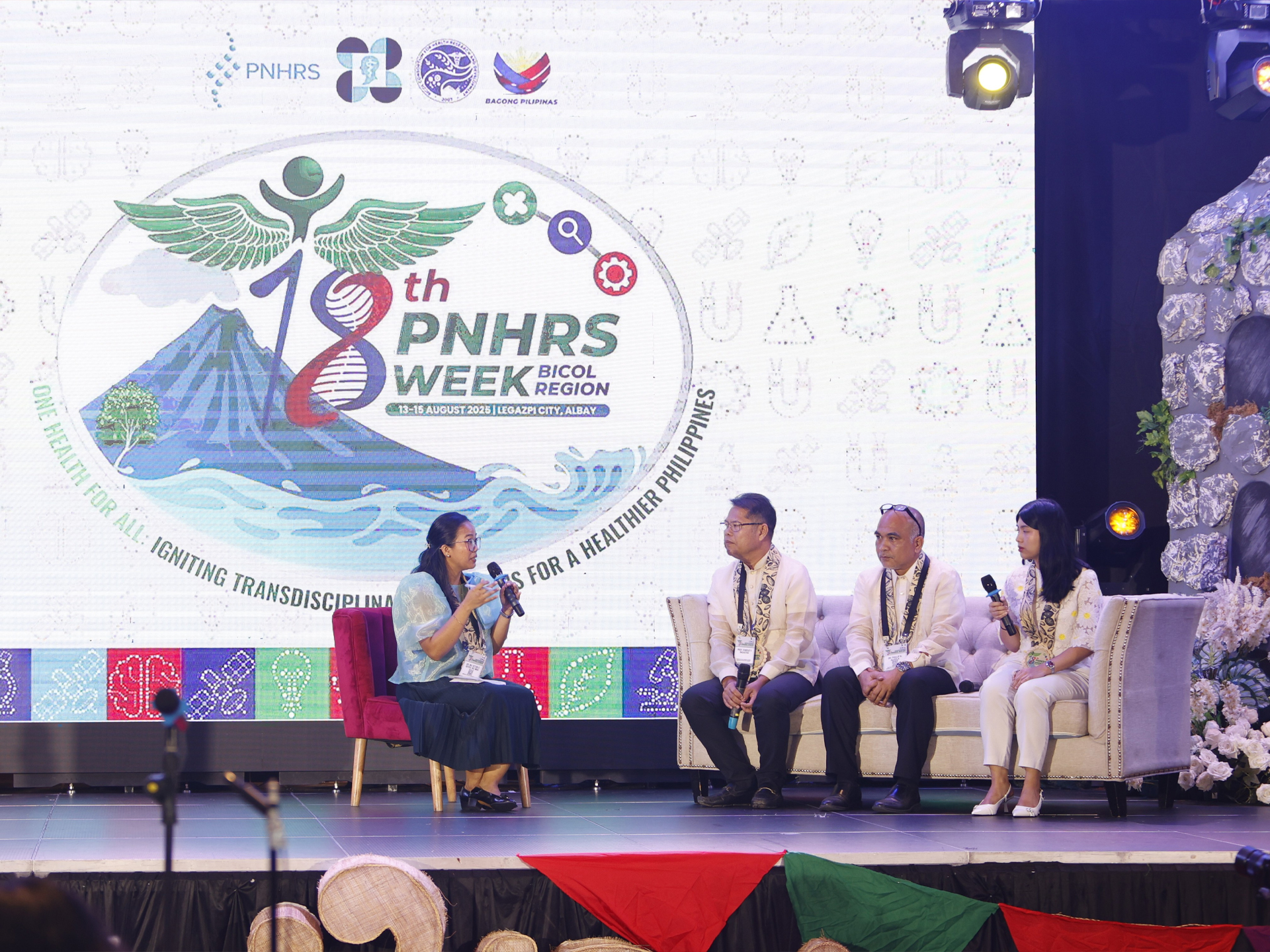
A collaborative, cross-sectoral framework that engages stakeholders from human, animal, and environmental health formed the central theme of the session, “Home-grown Inter-agency Initiatives towards Optimal Collaborations,” during the 18th Philippine National Health Research System (PNHRS) Week Celebration held on 13 August 2025 in Albay. 

The session focused on the One Health approach, a strategy that integrates efforts across sectors to address health challenges at the human-animal-environment interface.

The event highlighted locally developed inter-agency programs and projects that apply One Health principles, with the objective  of strengthening cooperation for more integrated, innovative, and sustainable health solutions. Through the presentation of success stories and lessons learned, the session also examined common challenges and identified actionable recommendations to support the institutionalization and expansion of One Health initiatives in the country.

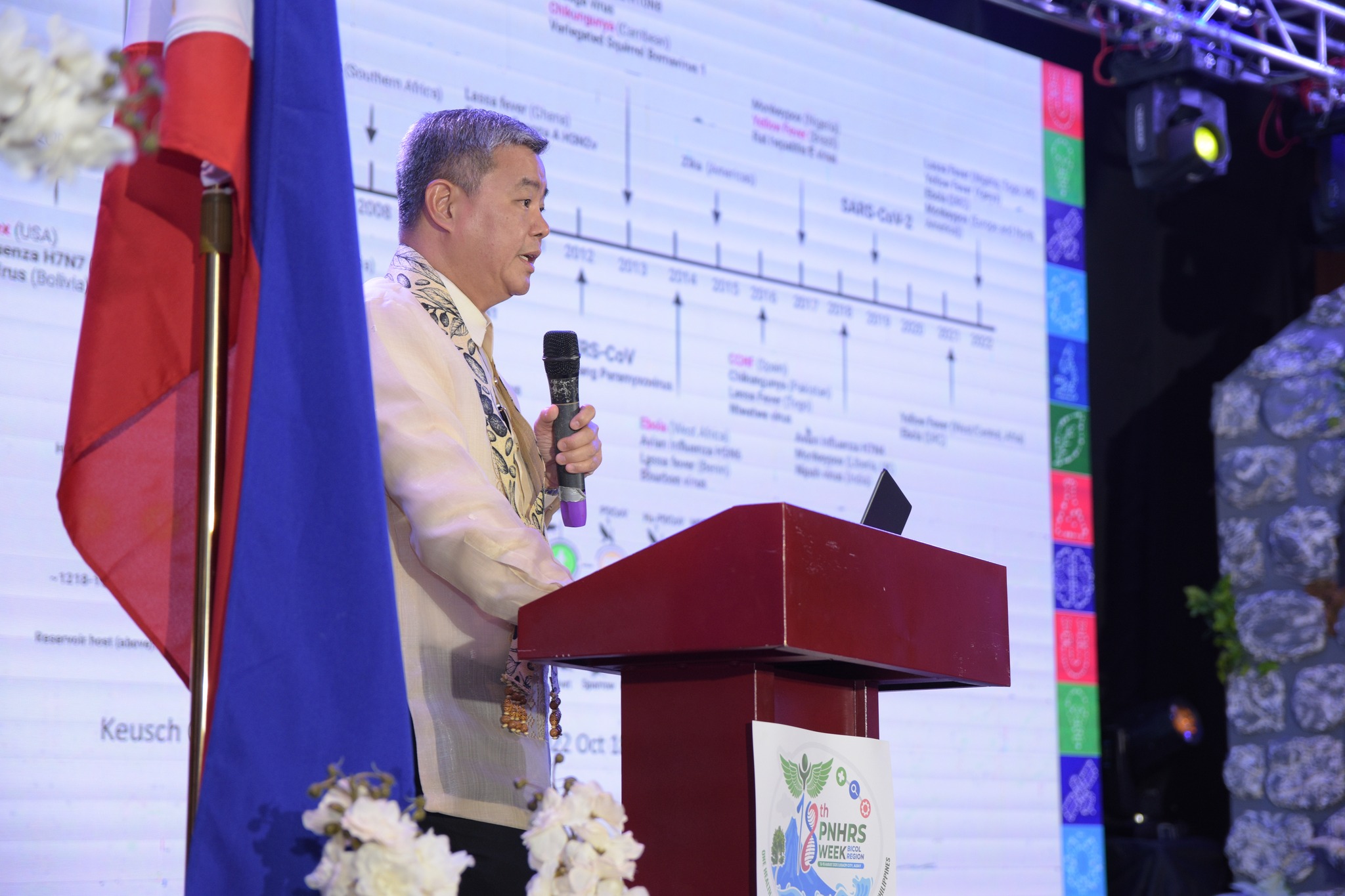
Opening the session, Mr. Charlie V. Balagtas, Founding Member of the Philippine One Health University Network (PhilOHUN) and Vice President for Administration and Finance at Partido State University, underscored the persistence needed to break down institutional silos. He emphasized the role of community health workers as vital links between people and systems, illustrating how their grassroots contributions embody One Health principles  in action.

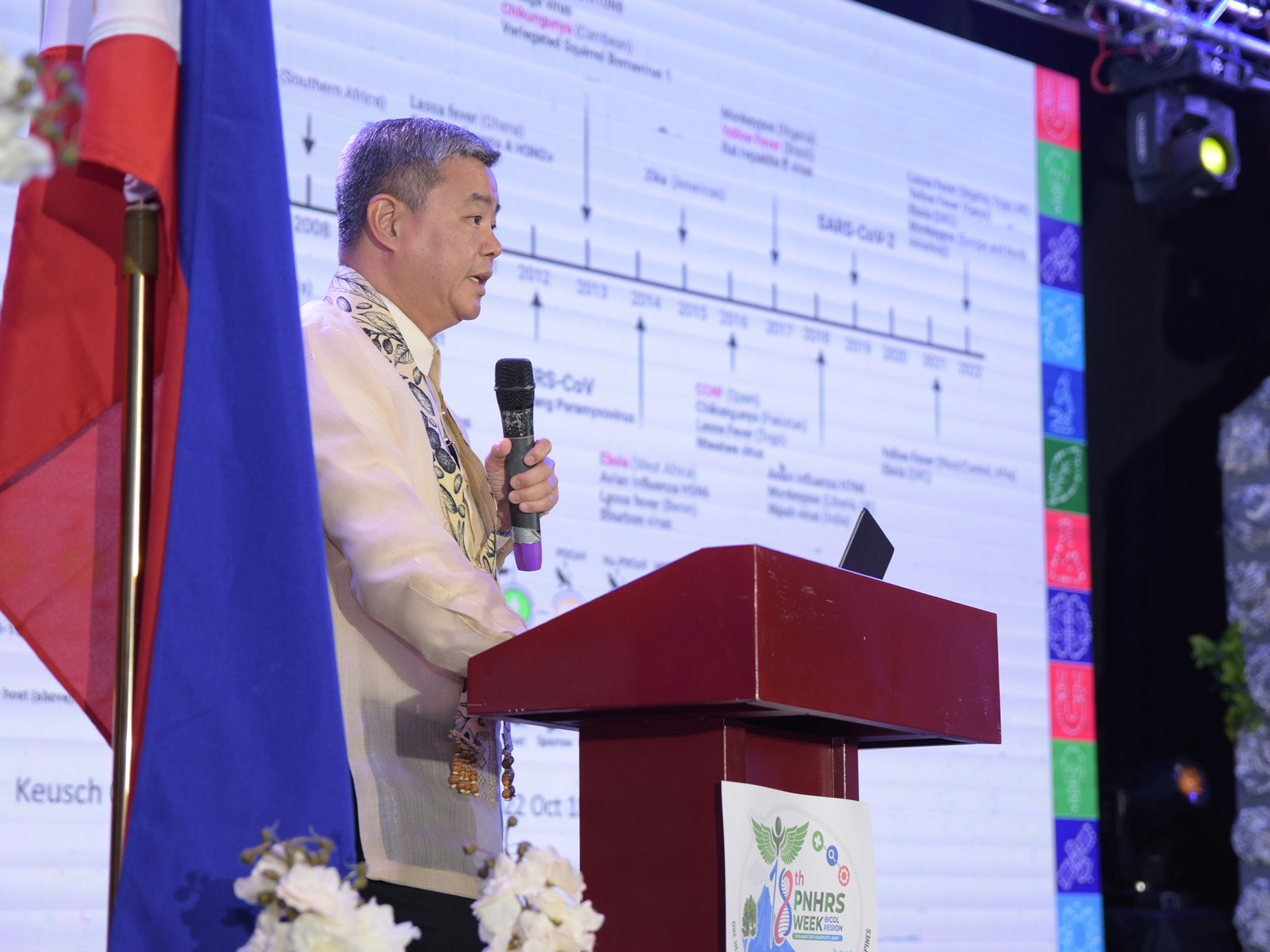
Dr. Phillip A. Alviola, Associate Professor at the University of the Philippines Los Baños, highlighted the importance of aligning these community-level initiatives with national frameworks. He presented the 2023–2028 National Strategic Plan on Zoonoses as a blueprint for coordinated agency action, noting that such alignment enhances preparedness and resilience against emerging threats at the human-animal-environment interface.

Concluding the presentations, Ms. April Rose B. Macandog, Pharmacist III at the Department of Health’s Pharmaceutical Division, discussed antimicrobial resistance (AMR) as a pressing One Health concern. She stressed that tackling AMR requires the active engagement of not only the health sector but also agriculture, trade, and environmental stakeholders. Her presentation of the Philippine National Action Plan on AMR 2024–2028 underscored the urgency of coordinated action to mitigate risks and safeguard public health.

Dr. Jaime C. Montoya, Executive Director of the Philippine Council for Health Research and Development (PCHRD), emphasized the significance of the session in advancing the country’s health research agenda. “One Health proves that when sectors work as one, research becomes real solutions for every Filipino. By breaking barriers and uniting our expertise, we turn knowledge into action, and action into lasting change for the health of our people, our animals, our environment,” he said.


Super User
Latest News
02 October 2025
Hits: 266

Driving One Health forward through a people-centered approach

  • Print
  • Email


“People are central drivers of One Health,” 
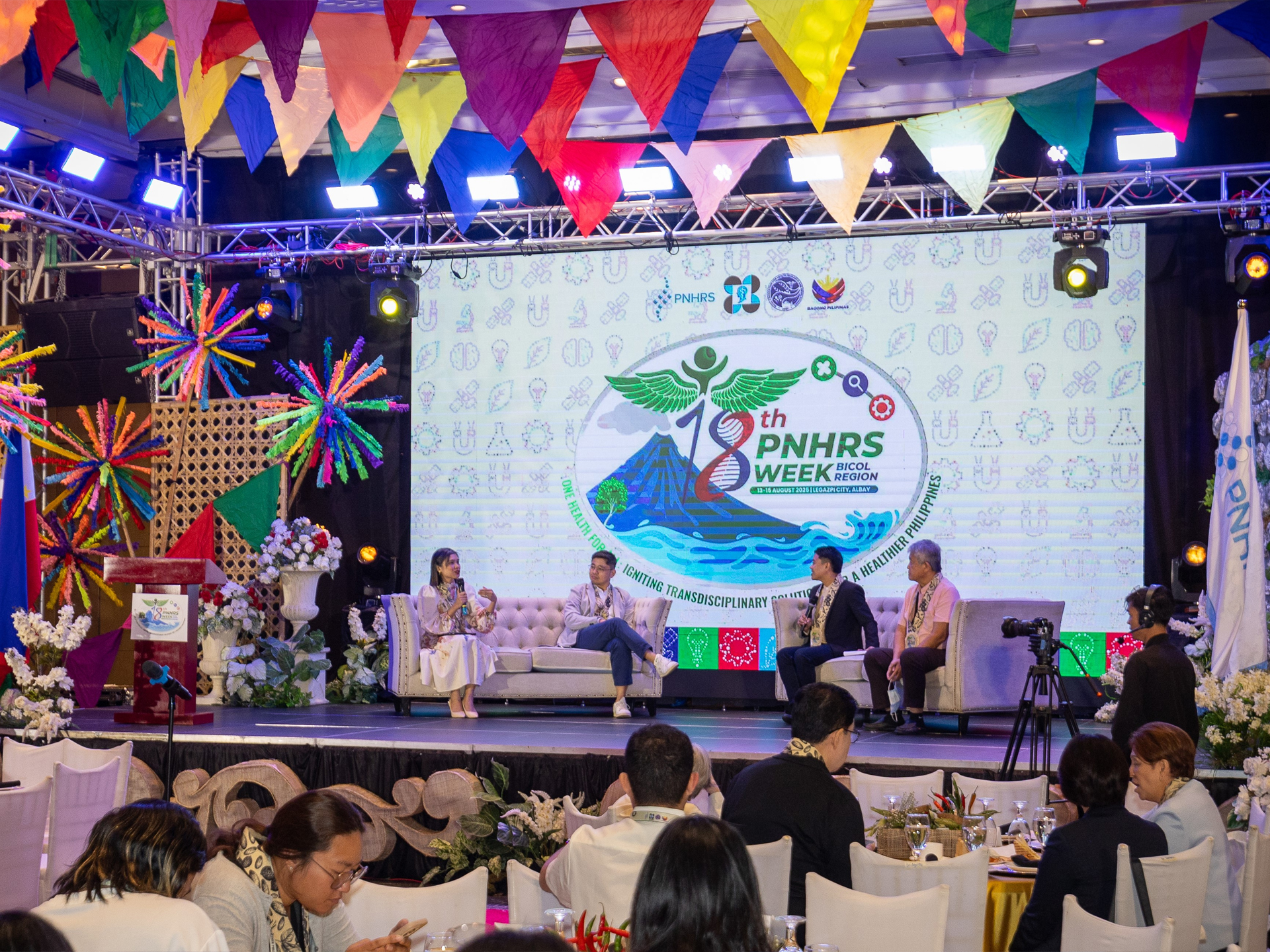
was a recurring theme highlighted during the Plenary Session 2 entitled, “Innovation, Education and Governance Integration in One Health” at the 18th Philippine National Health Research System (PNHRS) Week celebration held on 15 August 2025 in Legazpi City, Albay. 

The PNHRS celebration featured engaging discussions on the One Health approach, aligning with the event’s theme, “One Health for All: Igniting Transdisciplinary Solutions for a Healthier Philippines.” One Health emphasizes the interconnectedness of human, animal, and environmental health, and the need for collaborative efforts to ensure the well-being of all three components.

In the second Plenary Session, speakers tackled technology and data, community resilience, and strategies for community health as key initiatives to advance One Health for all. 

People in Technology and Data for One Health 

Encouraging collaborative innovation, Dr. Apple Charm Agulto, Founder of Synaptech Solutions and Consultant at the Field Epidemiology Training Program Alumni Foundation, Inc. (FETPAFI), discussed how technology and data can be leveraged to develop One Health solutions. 

In her talk, Dr. Agulto emphasized that the process of creating health solutions must be people-centered to improve outcomes and address possible limitations of technology. Including people in the process ensures that  solutionsrespond to actual health needs. “When we involve the stakeholders from the start, we create data systems that not only function better but also earn the trust needed for sustainable use,” she said. 

She also underscored the importance of ethical governance, ensuring that data protection policies are in place and community rights are upheld. 

In closing, Dr. Agulto stressed that health initiatives should lead to tangible impacts. “Translate complex data into compelling narratives that inspire action, influence policies, and mobilize communities,” she said. 

Community Resilience in Health Crises

Dr. Miguel Manuel Dorotan, a Senior Health Manager at Economist Impact in Singapore, highlighted the importance of empowering communities to build resilience in the face of crises. 

According to Dr. Dorotan, resilience must be built from the ground up through empowerment and education. Each community faces unique vulnerabilities, and in times  of health crises, they serve as the first line of response, highlighting the need to strengthen local capacity.

To equip communities with knowledge and skills for prevention, mitigation, and preparedness, Dr. Dorotan proposed two key strategies: public health literacy and emergency response training. 

“If you don’t know who or what is your enemy, you don’t know how to fight it or how to prevent it from happening,” he said, emphasizing the need to educate communities on disease risks, modes of transmissions, and prevention strategies. He added that education must go beyond knowledge and be translated into practical skills. 

In his call to action, Dr. Dorotan urged stakeholders to engage, co-create, and invest in people to make health resilience efforts truly effective.

Community Involvement in Integrated Health Strategies

Providing a concreteexample of community-centered initiatives aligned with One Health principles, Dr. Isidro Sia, Executive Director of the Integrative Medicine for Alternative Healthcare Systems (INAM) Philippines, shared the activities of the INAM’s Gamutang Pilipino program. 

Championing integrated medicine, Gamutang Pilipino works closely with traditional, complementary, and integrative medicine (TCIM) practitioners in empowering communities to lead and participate in local health initiatives. 

“Ang sustenableng pagpapaunlad ng kalusugan ay makakamit sa mahigpit na kolaborasyon ng mga mamamayan ay komunidad, ng mga manggagamot, ng mga mananaliksik at akademya, ng makabayang industriya, ng civil society, at ng pamahalaan (Sustainable progress in health can be attained through the close collaboration between members of the community, health practitioners, researchers and the academe, the industry, civil society, and the government),” said Dr. Sia, citing the guiding principles of the Gamutang Pilipino program. 

He  further emphasized the program’s foundational belief in the interconnectedness of environmental health and human health, and the value of integrating traditional practices with modern health systems.

With diverse strategies and perspectives, Dr. Agulto, Dr. Dorotan, and Dr. Sia collectively underscored the  importance of collaboration and participation across all sectors of the society in building systems that embody the One Health approach. 

To watch a replay of the plenary session, visit: https://bit.ly/18thPNHRS_Plenary2.
Audrey Gonzales
Latest News
25 September 2025
Hits: 316

Academe holds key to Health Equity, says UP Manila Chancellor

  • Print
  • Email


“Health equity is a commitment. One Health gives us the blueprint. Universities give us the tools,”  
said University of the Philippines (UP) Manila Chancellor Dr. Michael L. Tee in his keynote presentation during the opening ceremonies of the 18th Philippine National Health Research System (PNHRS) Week,  held on 13 August 2025 in Legazpi City, Albay. The event was inspired by the theme, “One Health for All: Igniting Transdisciplinary Solutions for a Healthier Philippines.” 

Dr. Tee explained that weaknesses in existing systems often make health inequities worse. Surveillance networks remain fragile, leaving communities without timely information on emerging threats. Families in rural and poor communities continue to carry the heavier burden of diseases that spread from animals to humans, such as rabies and dengue. Environmental degradation and climate change further magnify these risks, creating conditions where already vulnerable groups struggle the most. “Health equity requires more than expanding hospital capacity or financing reforms, and calls for commitment to address these uneven burdens of the people,” he noted.

Dr. Tee also emphasized the One Health Approach as a guiding framework for building more resilient systems. It recognizes that human health is closely linked to animal and environmental health. He cited the growing threat of antimicrobial resistance as an example of how the approach equips countries to respond before problems worsen. It also strengthens preparedness against zoonotic diseases, supports environmental interventions, and helps communities adapt to climate-related risks and disasters. “The One Health Approach provides the blueprint for preventing crises and building systems capable of withstanding threats,” Dr. Tee said.

“Universities and other academic institutions carry a responsibility beyond their campuses,” Dr. Tee added. “Through the One Health University Network’s threefold mandate of education, research, and extension service, we in the academe are uniquely positioned to turn One Health into practical tools.” He explained that education prepares future health leaders with the knowledge and perspective to apply the approach; research generates the evidence needed to guide policies, and extension work ensures that communities directly benefit from academic outputs.

He cited the Field Epidemiology Training Program (FETP) as an example of how academic training delivers real-world impact. During the COVID-19 pandemic, FETP graduates strengthened the country’s ability to respond quickly to outbreaks, trace infections, and help inform local authorities. “This is how universities give ‘the tools’ that turn theory into practice. Without such preparation, the One Health Approach would remain an abstract idea rather than a functioning strategy,” Dr. Tee explained.

Dr. Tee concluded by emphasizing that the promise of Universal Health Care (UHC) cannot be fulfilled unless health systems adopt the One Health Approach as the blueprint for equity. He stressed that the approach only becomes actionable when universities provide the tools to implement it by training health leaders, producing research that guides policies, and extending expertise to communities. In doing so, universities can transform One Health from a concept into practical strategies that strengthen prevention, preparedness, and fairness in health systems. For Filipinos, this means having a healthcare system that anticipates risks, protects communities, and builds a healthier nation for generations to come.

Super User
Latest News
02 October 2025
Hits: 309

18th PNHRS Week calls for ‘One Health for All’

  • Print
  • Email

Hosted by the Bicol Consortium for Health Research and Development (BCHRD), the 18th Philippine National Health Research System (PNHRS) Week celebration called for “One Health for All,” urging the advancement of transdisciplinary solutions to address public health threats. 

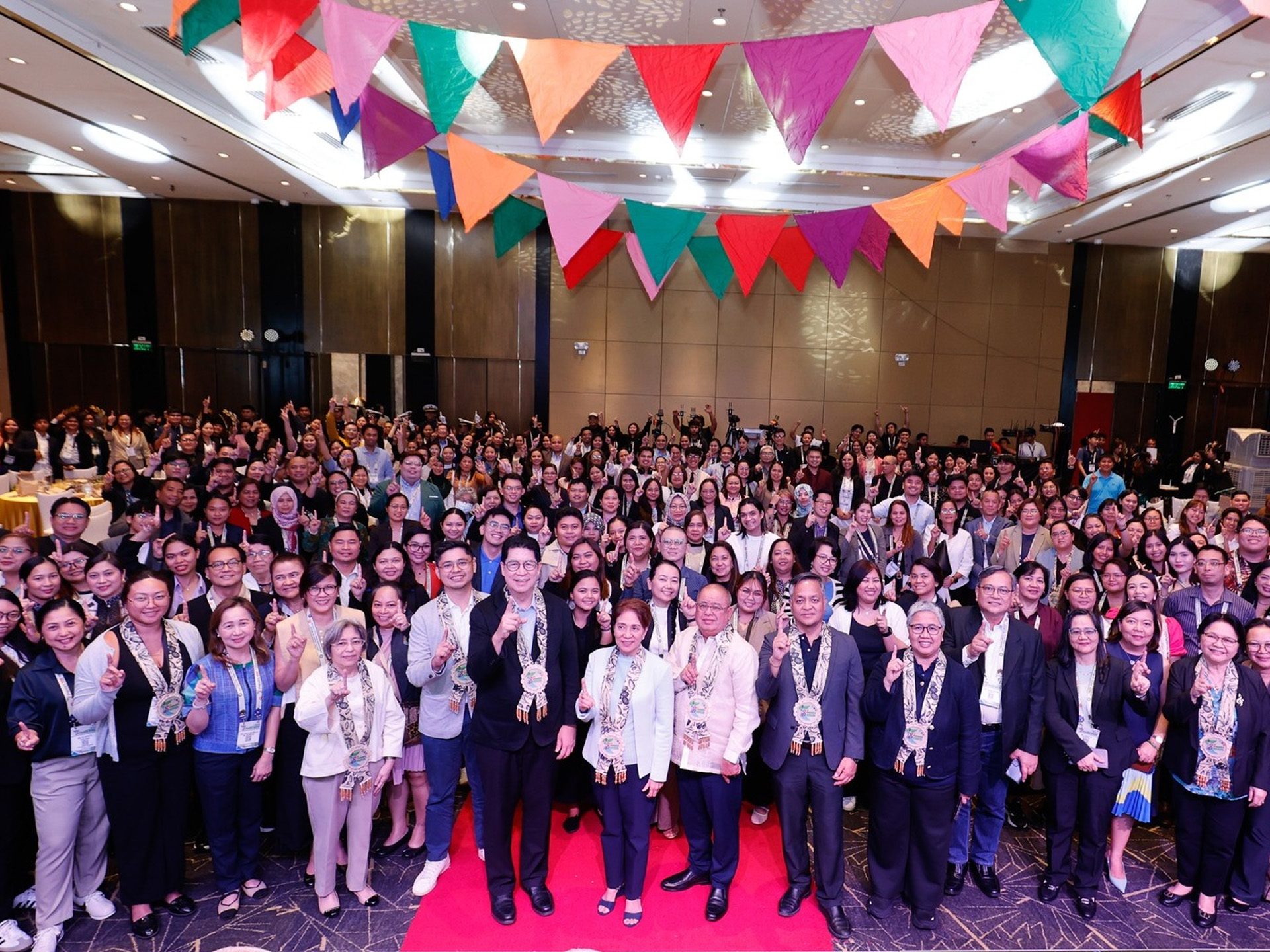
Joined by more than 500 participants from all over the country, the event was held on August 13-15, 2025, at the Marison Hotel in Legazpi City, Albay. The celebration was attended by academics, researchers, health advocates, stakeholders from both government and private institutions, and policymakers. 

In line with the theme, “One Health for All: Igniting Transdisciplinary Solutions for a Healthier Philippines,” leaders of the PNHRS implementing agencies called for continued collaboration and steadfast commitment to advancing One Health. 

Department of Health (DOH) Secretary Dr. Teodoro Herbosa highlighted the importance of the One Health approach, stating that the true meaning of health extends beyond the mere absence of diseases. “Health is the presence of well-being, resilience, and dignity. Achieving this kind of health requires that we protect not only our people, but also the animals we depend on, and the environment in which we live,” he said. 

To support the approach, Commission on Higher Education (CHED) Commissioner Dr. Shirley Agrupis underscored the relevance of adopting inclusive and transdisciplinary measures that will bring together various stakeholders. She discussed how higher education institutions are in a unique position to lead this shift, as “they are not just hubs for learning, but also centers for innovation, research and policy analysis, and public engagement.”

In parallel, University of the Philippines Manila (UPM) Chancellor Dr. Michael Tee also provided an overview of the role of the academe in advancing the approach. “Through the One Health University Network’s threefold mandate of education, research, and extension service, we in the academe are uniquely positioned to turn One Health into practical tools,” he said.

Urging for continued action, Department of Science and Technology (DOST) Secretary Renato Solidum Jr. emphasized how the One Health approach is not just a strategy, but also a promise. “This is what the concept of One Health looks like in action. It means seeing the links between climate and disease, between ethics and access, between policy and lived experience, and it also means holding ourselves accountable not only for what we discover but for how our research and development initiatives serve the people, especially the marginalized and most vulnerable,” he said. “To everyone present here, we need your continued courage, even when it is not easy. Because the journey towards the Bagong Pilipinas is not something we inherit, it is something we build,” he added.

The three-day event featured a series of competitions, fora, meetings, and exhibits. A replay of the event may be accessed through the DOST-PCHRD’s official Facebook page. 

Jwynne Gwyneth Macan
Latest News
15 July 2025
Hits: 719

Bicol hosts 18th PNHRS Week centered on ‘One Health for All’

  • Print
  • Email


This year, the Philippine National Health Research System (PNHRS) Week returns with a bold call: “One Health for All,” as it gathers over 500 health researchers, policymakers, and stakeholders from across the country on 13-15 August 2025 in Legazpi City, Albay to advance inclusive, transdisciplinary solutions addressing the interconnected challenges of human, animal, and environmental health. 

Hosted by the Bicol Consortium for Health Research and Development (BCHRD) in partnership with the Department of Science and Technology - Philippine Council for Health Research and Development (DOST-PCHRD), the 18th PNHRS Week will serve as a national convergence point for regional research consortia, academic institutions, government agencies, and civil society organizations championing health equity through science and innovation.

Anchored on the theme “One Health for All: Igniting Transdisciplinary Solutions for a Healthier Philippines,” the celebration will spotlight the urgent need for collaborative frameworks that break down silos between disciplines and sectors to deliver holistic, evidence-based responses to public health threats.

The three-day event will feature plenary sessions, research competitions, policy dialogues, and technical committee meetings that reflect the System’s priority to bridge research, policy, and practice in line with the National Unified Health Research Agenda (NUHRA).

Key Highlights:

Talakayang HeaRT Beat Press Conference (August 13)
Kicking off the celebration, the Talakayang HeaRT Beat press conference will feature key dignitaries from the four core implementing agencies of PNHRS to provide insights into the activities of the 3-day celebration. This will provide context and direction for the upcoming plenaries, fora, meetings, and competitions, and will be immediately followed by the official opening ceremonies and exhibit launch. 

Plenary Session 1: Home-grown Inter-agency Initiatives towards Optimal Collaborations
The opening plenary will highlight successful multi-agency health projects developed and scaled across the country, focusing on local solutions with national impact.

Research Competitions and Exhibits (August 14)
Students and professionals from across the country will present their research through oral and poster sessions, while the 3-Minute Pitch to Policymakers will challenge researchers to distill key findings into compelling, policy-ready messages.

Committee and Business Meetings
Converging the national Technical Working Committees on Research Utilization, Research Agenda Management, and others, the sessions aim to refine implementation strategies of the PNHRS Strategic Plan and national research priorities.

Plenary Session 2: Innovation, Education, and Governance Integration in One Health (August 15)
The final plenary will explore how aligning innovations, academic initiatives, and governance mechanisms can lead to more sustainable and inclusive health systems under the One Health framework.

Celebrated annually every second week of August under Presidential Proclamation No. 1309, the PNHRS Week affirms the country’s long-term vision of a responsive, inclusive, and collaborative national health research system that works for every Filipino.

For updates and registration details, visit the DOST-PCHRD Facebook page.


  1. LOOK: 3rd Joint Meeting of PCHRD and BCHRD for the upcoming 18th PNHRS Week Celebration
  2. 2025 CALL FOR APPLICATIONS: Foreign Graduate Scholarship Program PhD in Molecular Biomedicine
  3. Strengthened support and resources for regional health research consortia highlighted in this year’s PNHRS Week celebration
  4. 2024 CALL FOR APPLICATIONS: Foreign Graduate Scholarship Program MSc/PhD in Tropical Medicine

Page 2 of 59

  • Start
  • «
  • 1
  • 2
  • 3
  • 4
  • 5
  • 6
  • 7
  • 8
  • 9
  • 10
  • »
  • End

fb tw


feedback
PLEASE RATE YOUR EXPERIENCE IN USING THIS WEBSITE

Your rating

no rate selected


email is required

email is invalid

affiliation is required

affiliation is required

PCHRD LOGO small
Republic of the Philippines
Department of Science and Technology
Philippine Council for Health Research and Development
 
2/f Titanium Building, DOST MIRDC Compound
Gen. Santos Ave., Bicutan, Taguig City, 1631, Philippines
  • NUHRA
  • REGIONS
  • OPPORTUNITIES
  • News
  • About PNHRS
    • Organizational Chart
    • PNHRS
    • Objectives
    • Vision I Mission I Core Values
    • Strategy Map
    • History
    • Implementing agencies
    • Downloads
    • Gallery
    • TWC Update
    • About PNHRS Law